Ever wondered what makes those huge humpback whales travel all the way to Hawaii? It’s quite a journey! They come to these warm waters for some pretty important reasons, and while they’re here, they put on some amazing shows. You might see them leaping out of the water or hear their songs. It’s a whole different world out there, and understanding their behavior makes watching them even more special. Let’s dive into what you can expect to see during the Humpback Whale Behaviour During the Hawaii Migration.
Key Takeaways
- Humpback whales migrate to Hawaii primarily to breed and give birth in the warmer, safer waters, escaping the colder northern feeding grounds.
- You’ll witness incredible behaviors like breaching, where whales launch themselves out of the water, and tail or pectoral fin slapping, which can be a form of communication or display.
- Spyhopping is another fascinating behavior where whales poke their heads out of the water, possibly to observe their surroundings or listen.
- The songs of the male humpback whales are a significant part of their presence in Hawaii, believed to be related to attracting mates and establishing territory.
- Observing mother and calf interactions offers a heartwarming glimpse into the nurturing side of these magnificent creatures during their stay.
Why Do Humpback Whales Migrate to Hawaii?
You might be wondering why these massive creatures make such a long trip every year. Well, it all comes down to two main reasons: finding a safe place to have babies and escaping the chilly waters up north.
Breeding and Calving Grounds
Hawaii’s warm, shallow waters are like a nursery for humpback whales. For expectant mothers, it’s a much safer environment to give birth and nurse their newborns. Think about it: the waters off Alaska are freezing, and a brand-new calf wouldn’t have enough blubber to stay warm. Plus, the warmer Hawaiian waters help the calves build up that essential layer of fat. It’s also a bit safer from predators like orcas, which aren’t as common in Hawaii.
The calm, clear waters here are perfect for mothers and their calves to bond and for the little ones to grow strong. It’s a critical time for them, and Hawaii offers a peaceful haven.
Escape from Cold Waters
Those long, dark winters in places like Alaska mean less food for humpback whales. They spend their summers feasting on krill and small fish in the nutrient-rich polar waters. But when winter rolls around, they pack up and head south to Hawaii. It’s not just about the warmth; it’s about conserving energy. While they’re in Hawaii, they don’t really eat. They’re running on the reserves they built up during their summer feeding frenzy. So, you could say they’re taking a long, well-deserved break in the tropics before heading back north to fill their bellies again.
Key Humpback Whale Behaviors Observed in Hawaii
When you head out for whale watching hawaii humpbacks, you’re in for a treat. These giants put on quite a show! It’s not just about seeing them; it’s about witnessing their incredible actions. You’ll notice a few things that really stand out.
Breaching: A Spectacle of Power and Play
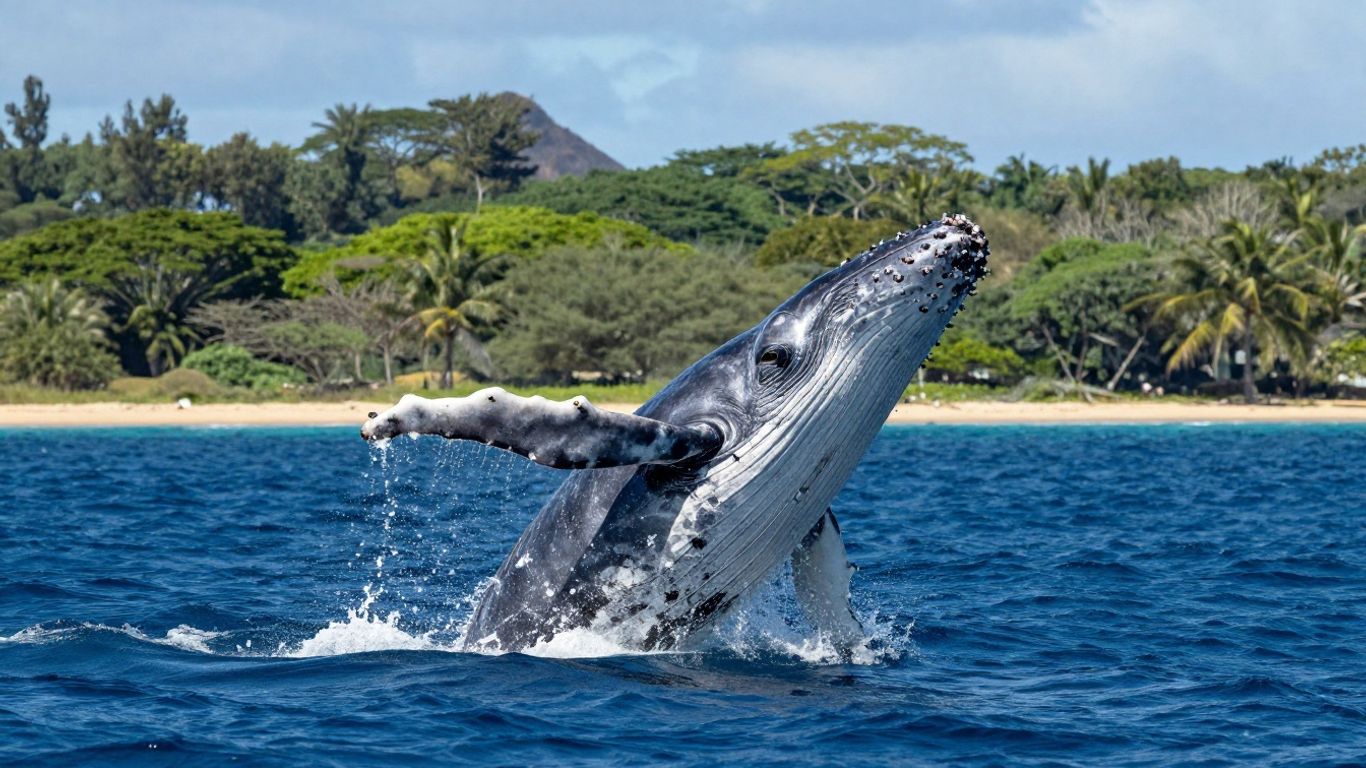
This is probably the most dramatic thing you’ll see. Imagine a humpback whale, weighing up to 40 tons, launching itself almost entirely out of the water. It’s a massive splash and a truly awesome sight. Why do they do it? Honestly, scientists aren’t 100% sure, but it might be a way to communicate, get rid of pesky barnacles, or maybe they just feel like it! It’s a display of pure power and energy that you won’t forget.
Tail Slapping and Pectoral Fin Slapping
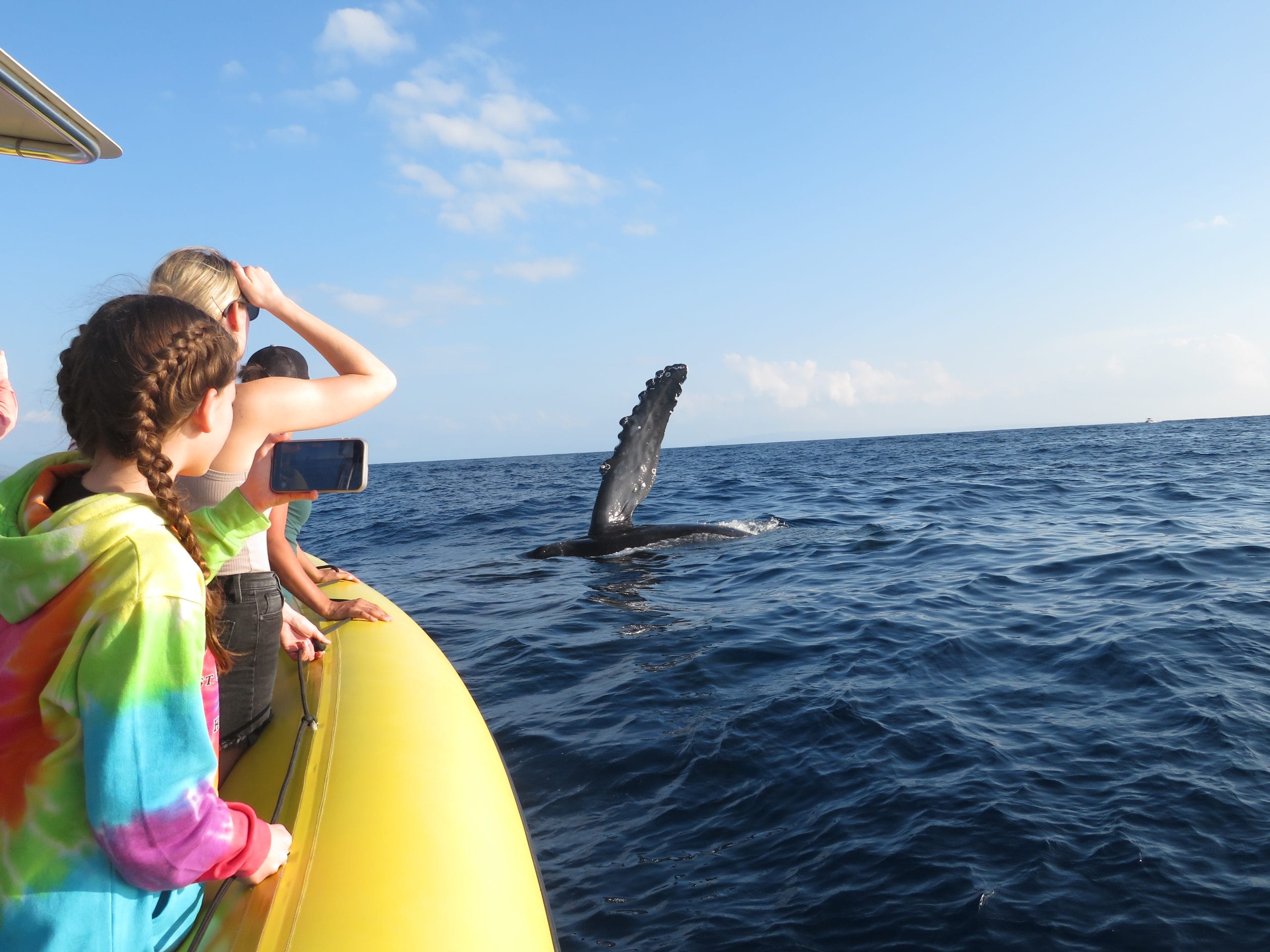
Keep an eye out for the tail. When a humpback slaps its flukes (that’s the tail fin) on the water, it makes a huge sound that can travel for miles. It’s a pretty forceful move. They also slap their long pectoral fins against the water. These actions can mean a lot of things, from a warning to another whale to just getting attention. It’s all part of their complex humpback whale communication hawaii.
Spyhopping: Curious and Vigilant
This one’s pretty cool and a bit mysterious. Spyhopping is when a whale lifts its head straight up out of the water, almost like it’s trying to get a better look at what’s going on above the surface. They can stay like that for a bit, rotating slowly. Are they checking out the boats? Looking for land? Or just being nosy? It’s a moment where you feel like they’re really aware of their surroundings.
Vocalizations: The Songs of the Humpbacks
While you might not hear it clearly from a boat, the males are singing! These aren’t just simple chirps; they’re long, complex songs that can go on for ages. The humpback whale mating rituals hawaii are heavily influenced by these sounds. It’s believed the songs are used to attract females and maybe even establish dominance among males. It’s a whole underwater symphony happening all around you.
Social Interactions and Courtship Displays
Hawaii is a big spot for humpback whale mating and giving birth, so you’ll see a lot of social activity. Often, you’ll see a female with a calf, and then one or more males hanging around. These “escorts” are focused on mating. You might witness males competing for a female’s attention, which can involve a lot of splashing and chasing. It’s a fascinating glimpse into their social lives and how baby humpback whales hawaii get their start. Remember, these whales come here from the colder humpback whale feeding grounds hawaii to focus on reproduction and raising their young in these warmer, safer waters.
Mother and Calf Interactions
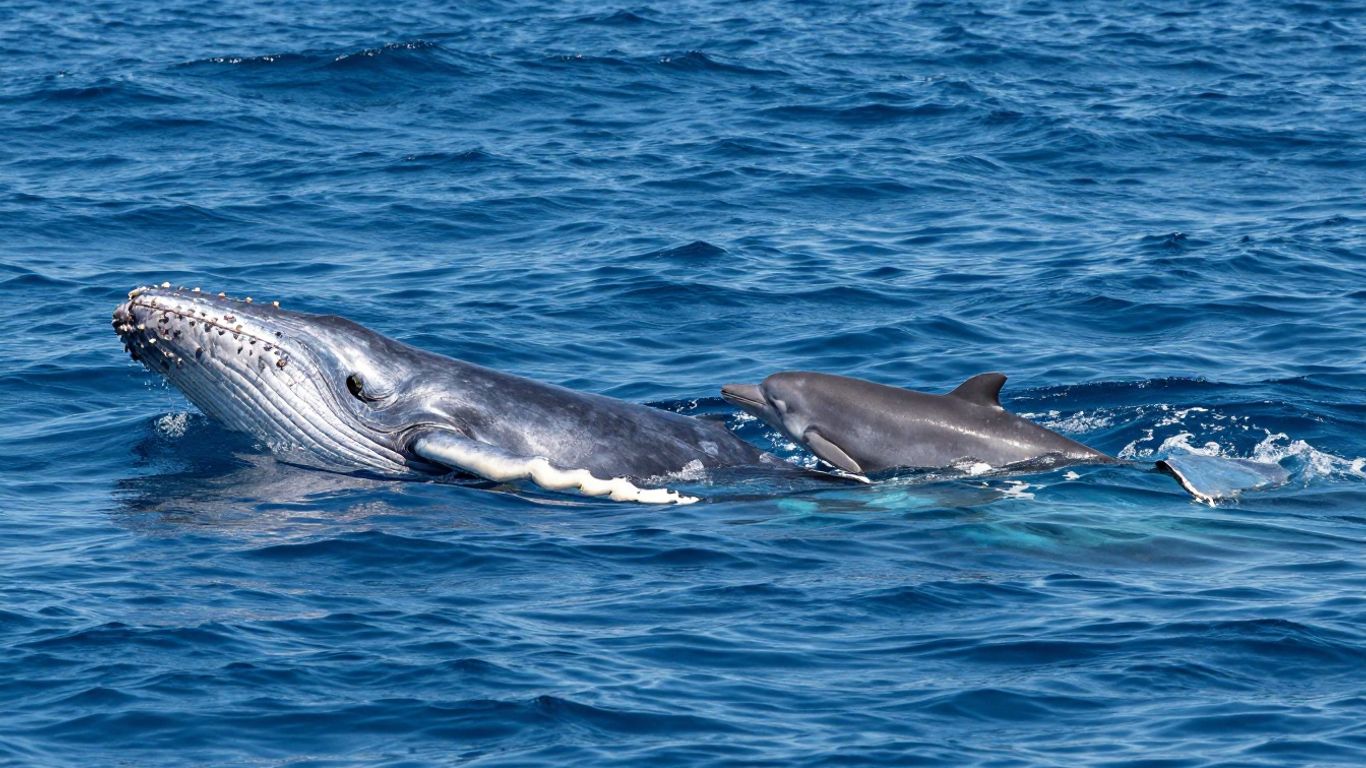
When you’re out on the water watching humpback whales in Hawaii, you’ll likely see some incredibly tender moments between mothers and their calves. These little ones, called calves, are born right here in the warm Hawaiian waters after about a year-long pregnancy.
The bond between a mother and her calf is truly something special to witness. For several months, the mom is the calf’s whole world, teaching it everything it needs to know to survive in the big ocean. Think of it like a super important, extended parenting class! She’ll show it how to swim properly, where to find food, and how to just generally get around.
It’s not always smooth sailing, though. Sometimes, lone males might get a bit too curious and try to hang around. Mothers with calves tend to be pretty good at avoiding these males, often using different tactics to keep their distance. They might even try to “rub off” an unwanted escort onto another group of whales. It’s all about protecting that vulnerable little one.
Here are a few things you might notice:
- Close Physical Contact: You’ll see them swimming very close together, often touching. The mom might gently nudge her calf or let it rest against her.
- Nursing: While it’s hard to see from a boat, calves do nurse from their mothers. This is a critical time for the calf to gain strength and size.
- Protective Behavior: If a mother feels threatened or if a calf gets separated, she’ll react quickly to keep it safe. This might involve swimming faster or positioning herself between the calf and any perceived danger.
Observing these interactions highlights how much care and attention goes into raising a humpback calf. It’s a delicate period, and giving them plenty of space is super important for their well-being. Remember, keeping a safe distance helps ensure these precious moments aren’t disturbed.
It’s fascinating to think about how much these calves learn in their first few months. They’re not just growing; they’re absorbing all the knowledge their mothers pass down, preparing them for their own journeys. If you’re lucky, you might even spot a juvenile whale showing a particular interest in a newborn, perhaps practicing its own nurturing skills, like one named Ariel was observed doing [a1b4]. It’s a whole community effort in a way!
Protecting Humpback Whales During Migration
Protecting humpback whales on their epic journey through Hawaii isn’t just about laws and rules—it’s about giving these animals the space they need to rest, mate, and bond. You might think, “What can I actually do?” Turns out, quite a bit, especially if you’re out on the water or even just planning a tour.
One of the most important things to remember: It’s illegal to approach humpback whales within 100 yards—no matter what kind of boat, kayak, or board you’re on. If you’re too close, you could stress them out or even mess with their natural routines. Know your distance rules before you head out.
Here’s how you can make a difference:
- Give whales plenty of space—both for their safety and yours
- Report sightings of entangled or injured whales to local response teams
- Choose tour companies that follow wildlife-friendly practices
- Never try to touch, feed, or swim with the whales
- Pick up your trash and keep plastic out of the ocean
Keeping your distance isn’t just about following the law—it’s about making sure whales can grow their families in peace, just like any of us would want for our own.
Even small acts, like spreading awareness or keeping your eyes peeled for whales in trouble, can go a long way. When we respect their space, we’re actually helping humpbacks thrive in Hawaiian waters year after year.
When to Witness This Incredible Migration
So, you’re wondering when the best time is to catch a glimpse of these magnificent humpback whales making their annual trip to Hawaii? You’re in luck, because the islands become a prime whale-watching spot for a good chunk of the year.
Generally, the whales start showing up around November, but things really kick into high gear a bit later. The absolute peak season, when you’ll see the most activity and have the best chances of spotting them, is typically from February through March. This is when the waters are buzzing with activity – lots of mothers and calves, and plenty of males looking to impress.
While February and March are your best bets, don’t count out the rest of the season. You can still see whales from late December all the way through April, and sometimes even into May or early June if you’re really lucky. It just means you might need a bit more patience on those earlier or later dates.
Here’s a quick rundown:
- Early Season: November to January – Whales are arriving, but numbers are lower.
- Peak Season: February to March – This is prime time! Expect lots of sightings and activity.
- Late Season: April to May/June – Whales are starting to head back, but many linger.
Keep in mind that sometimes nature throws a curveball. A few years back, some folks noticed the whales arriving a bit later than usual. While it’s rare, environmental factors can shift things slightly. But for the most part, the pattern holds pretty steady year after year.
So, if you’re planning a trip, aim for that sweet spot in February or March for the ultimate humpback whale experience in Hawaii!
So, What’s the Takeaway?
Alright, so you’ve learned a bunch about what these massive humpback whales get up to when they visit Hawaii. It’s pretty wild to think about them traveling all that way just to hang out, find a mate, and have babies in our warm waters. They’re not just floating around; they’re busy with all sorts of interactions, from those loud tail slaps to the intense male competitions. It really makes you appreciate how much is going on beneath the surface. Next time you’re out on the water, keep an eye out – you might just witness some of this amazing behavior yourself. It’s a pretty special thing to see these giants in their winter home.
Frequently Asked Questions
Why do humpback whales travel all the way to Hawaii?
Imagine leaving your home in a cold place to visit a warm vacation spot! Humpback whales do something similar. They swim from the chilly waters off Alaska, where they find lots of food, to the much warmer waters around Hawaii. They come here mainly to have their babies and to find mates. It’s a safe and cozy place for the little ones to grow!
What’s the best time of year to see these whales in Hawaii?
You’ll want to plan your visit between November and May if you’re hoping to spot these amazing creatures. The peak season, when there are the most whales around and they’re most active, is usually from February to March. That’s when the ocean is buzzing with whale activity!
What are those huge splashes I see when a whale jumps out of the water?
That incredible jump is called ‘breaching’! It looks like the whale is launching its whole body out of the water. Scientists aren’t totally sure why they do it, but it might be a way to communicate, get rid of pesky bugs, or just show off how strong and playful they are. It’s definitely a showstopper!
Do the whales sing songs in Hawaii?
Yes, they do! Male humpback whales are famous for their complex songs. They can sing for long periods, and the tunes can travel for miles underwater. While it was once thought they sang to attract females, researchers now believe these songs might be more like challenges or threats to other males competing for a mate. It’s like their way of talking or even arguing!
What’s the deal with mothers and their calves?
The bond between a mother whale and her baby is super special. After about a year of pregnancy, the mom gives birth to a single calf. The calf stays with its mom for several months, learning everything it needs to know about swimming, eating, and navigating the ocean. Hawaii’s warm waters are perfect for newborns because they have a thin layer of fat and need to stay cozy while they build up blubber.
Are humpback whales still endangered?
Great news! The humpback whales that migrate to Hawaii have made a big comeback. They were once in serious trouble due to whaling, but thanks to protection efforts, their numbers have grown a lot. In 2016, the specific group of humpbacks that come to Hawaii were actually taken off the endangered species list. It’s a real conservation success story!