

Thinking about heading to Maui in November for some whale watching?Our official whale watching season doesn’t start until December, but that doesn’t mean the whales are nowhere to be found. November is the quiet period just before the season kicks off — and if you’re joining us for a dive trip, there’s a very real chance you’ll spot a humpback along the way. It’s not guaranteed, but it happens more than you’d think. In fact, in the summer of 2025, we spotted a humpback in the middle of July. Nature doesn’t always follow a calendar.
Key Takeaways
- November is just before our official whale watching season, which opens in December — but humpback whales have been spotted on our dive trips as early as July.
- Early arrivals are typically mature males making the long journey down from Alaska before the main migration.
- Spotting a whale on a November dive trip is an unexpected bonus — one that makes an already great dive feel even more special.
- Fewer boats and quieter waters make November a peaceful time to be out on the ocean, whether or not a whale makes an appearance.
- Packing layers and booking your dive trips in advance are smart moves for a November visit to Maui.
Early Season Whale Watching Maui November
Understanding The November Arrival
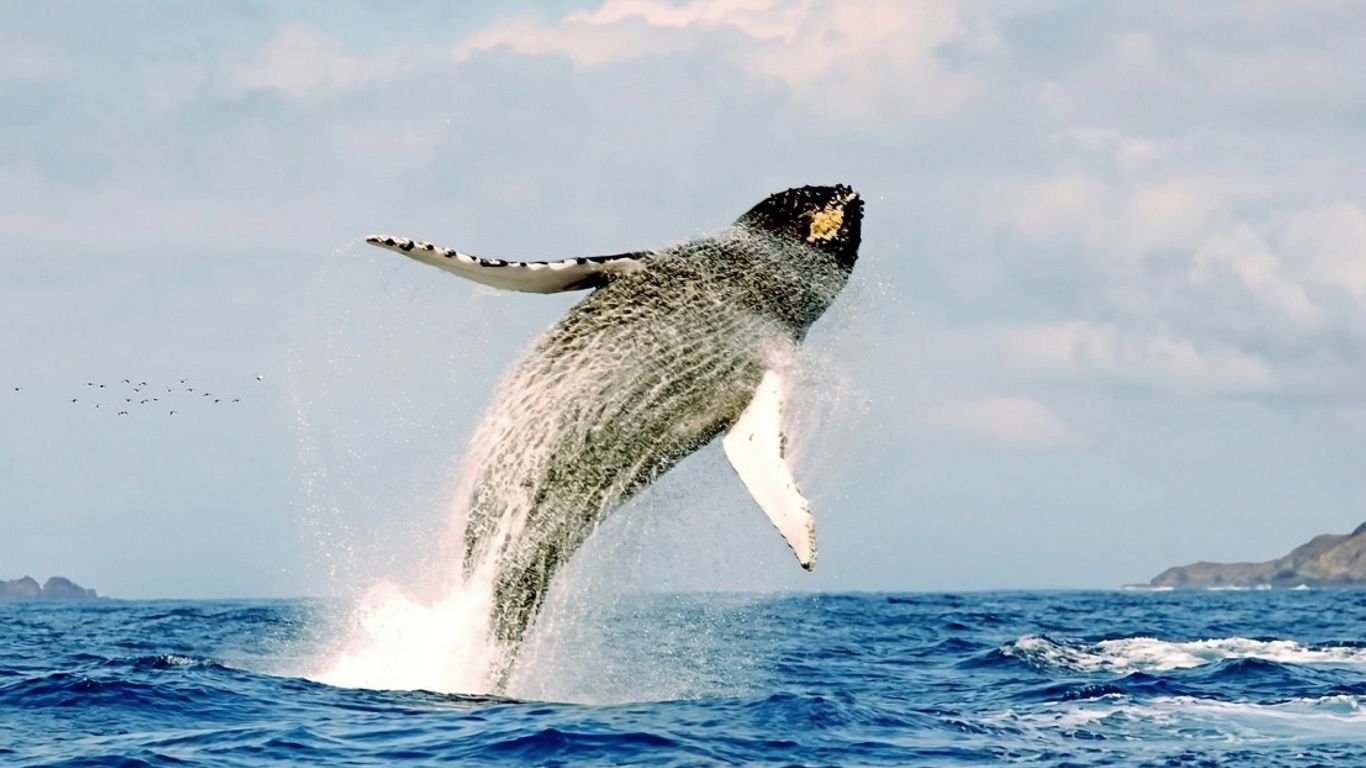
November marks the quiet period just before whale watching season in Maui. While our official tours don’t launch until December, this is when the first humpback whales begin making their way from the colder waters of Alaska toward the warmer Hawaiian islands. These early arrivals are typically mature males – the scouts, if you will – getting here before the main crowd follows. It’s a gentle prelude to the months ahead, and if you happen to be out on the water with us for a dive, there’s a chance you’ll catch a glimpse of one of these early movers.
What To Expect In Early November
If you’re heading to Maui in November for whale watching, keep your expectations realistic. You won’t see the sheer numbers of whales that appear in January or February. Instead, you’re more likely to encounter a few individuals or small groups. This early period is characterized by fewer boats and fewer people on the shore, which can make for a more serene experience. Sightings can be a bit more hit-or-miss, but when you do spot a whale, it feels pretty special.
Here’s a general idea of what to anticipate:
- Fewer whales overall: The bulk of the migration hasn’t happened yet.
- More mature males: These are often the first to arrive.
- Less boat traffic: Enjoy a more peaceful atmosphere on the water.
- Potential for close encounters: Sometimes, the early whales are curious.
The beauty of visiting in November is the chance to witness the very first whales of the season. It’s a unique opportunity to see these magnificent creatures before the islands are teeming with them.
The Allure Of Fewer Crowds
One of the biggest draws of November whale watching is the lack of crowds. Unlike the peak months of January and February, where tours are packed and popular viewing spots can be busy, November offers a more laid-back vibe. This means you’re more likely to get unobstructed views from shore and a less crowded experience on boat tours. It’s a great time for those who prefer a quieter, more personal encounter with nature. You can really soak in the experience without feeling rushed or jostled. This early season is a fantastic opportunity for a more intimate Maui whale watching experience.
| Month | Whale Activity |
|---|---|
| November | First arrivals, mostly mature males |
| December | Activity increases, more mothers and calves seen |
| January | Peak season begins, high activity |
| February | Peak calving and courtship season |
| March | High numbers, great weather |
Humpback Whale Behavior In November
The First Migrators: Mature Males
When November rolls around in Maui, you’re likely to see the very first humpback whales making their way to the islands. These early arrivals are typically mature males. They’re the ones who tend to make the journey first, heading to the warmer Hawaiian waters from their summer feeding grounds up north. Think of them as the scouts, getting here before the main crowd arrives. It’s a sign that the whale season is officially kicking off, even if it’s just the beginning.
Potential For Close Encounters
Because there are fewer boats out in November, any whale you do encounter is likely to be in quieter water. With less traffic around them, early arrivals can be curious and less wary of boats which sometimes leads to unexpectedly close moments. If a whale decides to investigate while you’re out on a dive trip with us, that’s the kind of experience that stays with you.
Observing Early Surface Activity
While you might not see the constant breaches and tail-slapping that happen later in the season, the whales that do show up in November are still active. You’ll want to keep an eye out for:
- Blows: That tell-tale puff of mist when they exhale is a great way to spot them from a distance.
- Spyhopping: This is when a whale lifts its head straight up out of the water, like it’s trying to get a better look at what’s going on above the surface. It’s pretty cool to see them checking things out.
- Pec Slaps and Tail Slaps: While maybe not as frequent as in later months, you can still catch these powerful displays. A pectoral slap is when they hit the water with their long side fins, and a tail slap is, well, exactly what it sounds like – a big splash with their fluke.
The humpback whales that visit Maui don’t eat while they’re here. They rely completely on the fat reserves they built up all summer long in places like Alaska. This means their main focus in Hawaii is on breeding and giving birth, not on finding food. It’s quite a feat to travel thousands of miles and survive for months without eating.
It’s fascinating to think about how these massive creatures make such a long journey. They travel between Alaska and Hawaii, a trip that can take several weeks. The Hawaiian Islands provide a safe and warm place for them to mate and for mothers to give birth to their calves. You can learn more about the Hawaiian Islands Humpback Whale National Marine Sanctuary and its role in protecting these animals.
Maximizing Your November Whale Watching Experience
So, you’re heading to Maui in November for the start of whale season. Awesome! While it’s still early days, there are definitely ways to make sure you get the most out of your whale watching adventure. It’s all about timing and knowing where to look.
Best Times of Day For Sightings
Whether you’re hoping to spot a whale from shore or as a bonus on a dive trip, timing matters. Early mornings tend to offer the calmest seas and best visibility. The light is softer, great for photography, and the ocean is at its most still.
- Morning (7 AM – 10 AM): Generally the calmest seas and best visibility. The soft morning light is also a photographer’s dream.
- Midday (11 AM – 2 PM): Still a good time, but the bright sun can create glare on the water, making it a bit trickier to spot whales.
- Afternoon (3 PM – 6 PM): Activity can pick up again as the day cools, and the ‘golden hour’ light before sunset is truly magical.
Remember, whale watching is a bit of a waiting game. Patience is key, and sometimes the best sightings happen when you least expect them.
Choosing Your Viewing Location
Maui offers fantastic opportunities for whale watching from land, and knowing the best spots can make a big difference. While boat tours get you closer, you can still see a lot from the shore. Some popular spots include:
- Ma’alaea Bay: Often one of the first areas to see whales as they arrive.
- Wailea and Ka’anapali: These coastlines are known for whale activity, especially later in the season, but early arrivals can be spotted here too.
- McGregor Point: Offers elevated views and is a good spot for scanning the waters.
- Ho’okipa Beach Park: While famous for windsurfers, it can also be a good vantage point.
Don’t forget to bring binoculars or a camera with a good zoom lens. Even from shore, you might be surprised how close some whales come. Keep an eye out for that tell-tale “blow” – the misty spout – which is usually the first sign.
Land-Based Versus Boat Tours
Watching from land is free, accessible, and relaxed. You can visit multiple spots throughout the day and scan the horizon at your own pace. A whale watching boat trip from Lahaina, even if the primary purpose is diving, puts you much closer to the action. Our captains know these waters well, and if there’s a whale nearby, they’ll find it. Some of our trips even use hydrophones so you can listen to whale song underwater which is genuinely hard to describe if you haven’t experienced it.
In November, the lack of dedicated whale watching crowds means that if a whale does show up, the moment feels even more yours.
Preparing For Your Maui Whale Adventure
What To Pack For November Viewing
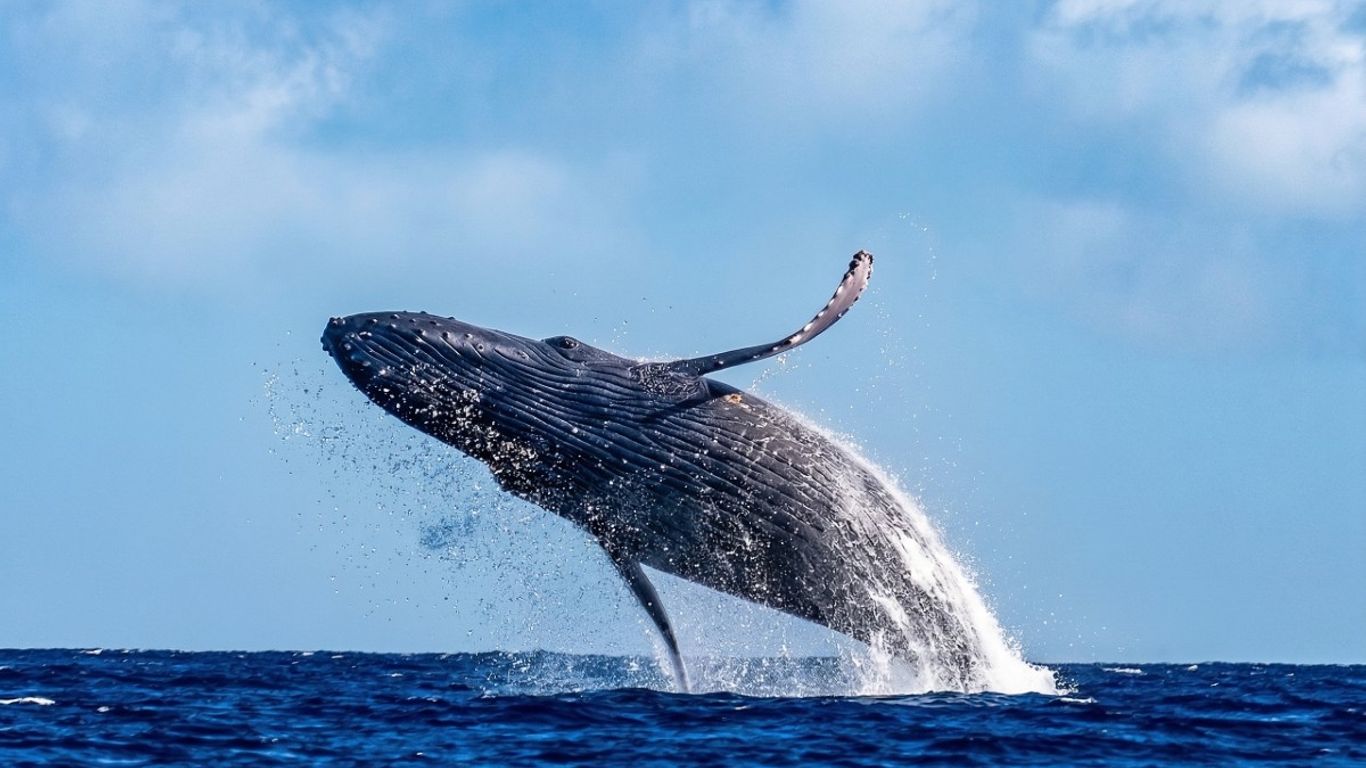
Getting ready for a whale watching trip in November means thinking about comfort and the elements. Even though Maui is warm, the ocean breeze can get a little chilly, especially when you’re out on the water for a few hours. Layers are your best friend. Start with a light t-shirt, add a long-sleeved shirt or a light fleece, and have a windbreaker or waterproof jacket handy. Don’t forget sun protection! A wide-brimmed hat, sunglasses, and reef-safe sunscreen are a must. Comfortable, non-slip shoes are also important, as boat decks can be wet. And of course, bring your camera or smartphone to capture those amazing moments – maybe even a waterproof case if you’re feeling adventurous.
Understanding Weather Conditions
November in Maui generally offers pleasant weather, but it’s still the Pacific Ocean, so conditions can change. You can expect average daytime temperatures to be in the mid-80s Fahrenheit (around 29°C), with cooler evenings. While November is typically outside the main rainy season, occasional showers can pop up, especially on the windward sides of the island. The ocean itself is usually calmer in November compared to the winter months, which is great for whale watching. However, always check the forecast before you head out, and be prepared for a bit of chop if the winds pick up.
Booking Your Whale Watching Tour
Since our whale watching season opens in December, November visitors who want time on the water should look at our dive trips. It’s a great opportunity to explore Maui’s reefs with fewer crowds, and the bonus possibility of a whale sighting makes it all the more worthwhile. Booking in advance is always a good idea to secure your preferred dates.
Keep in mind: November whale sightings are not guaranteed and are not the focus of our dive trips. But they happen and when they do, they’re the kind of thing you’ll be talking about long after you’ve left the island.
Beyond The Whales: November In Maui
While the main draw in November is, of course, the early humpback whales, Maui offers so much more during this pleasant shoulder season. It’s a fantastic time to explore the island’s natural wonders without the peak season crowds. You might be surprised by what else you can discover on Maui in November.
Other Marine Life Sightings
Even though the humpbacks are just starting to arrive, the waters around Maui are teeming with life year-round. Keep your eyes peeled for other fascinating creatures.
- Spinner Dolphins: These acrobatic dolphins are often seen playing in the bays, especially in the mornings. They’re known for their impressive spinning leaps out of the water.
- Sea Turtles (Honu): Maui’s resident green sea turtles are a common sight. You can often spot them basking in shallow waters or gracefully swimming along the coast. Remember to give them plenty of space!
- Various Fish Species: Snorkeling or diving, even in November, can reveal a vibrant underwater world. Expect to see colorful reef fish, eels, and maybe even a manta ray if you’re lucky.
The early season means fewer boats are out, which can sometimes lead to more undisturbed sightings of marine life. It’s a quieter, more intimate experience with the ocean.
Exploring Maui’s Natural Beauty
November is a sweet spot for exploring Maui’s diverse landscapes. The weather is generally mild, and the lush greenery is at its best after the autumn rains. This is a great time to experience Maui’s natural beauty without the hustle and bustle.
- Haleakalā National Park: Hike through volcanic craters or watch the sunrise (reservations often needed!). The cooler November air makes the climb more comfortable.
- Road to Hāna: Drive this iconic route, stopping at waterfalls, bamboo forests, and stunning coastal viewpoints. The waterfalls are usually flowing well in November.
- Beaches: While whale watching is a focus, don’t forget Maui’s world-class beaches. Enjoy swimming, sunbathing, or simply relaxing by the ocean.
Enjoying Maui’s Pleasant Climate
November in Maui typically boasts warm, sunny days with comfortable evenings. It’s a welcome change from cooler climates elsewhere, making it ideal for outdoor activities. You can expect average daytime temperatures to hover around the mid-80s Fahrenheit (around 29°C), with cooler evenings dipping into the low 70s (around 21°C). Rainfall is generally low, though occasional brief showers can occur, keeping the islands green and vibrant. This makes it a perfect time for whale watching tours, like those offered by expert guides, and for enjoying all the island has to offer.
Wrapping Up Your Early Season Maui Whale Adventure
November isn’t whale watching season in Maui — our official tours open in December, but it’s a wonderful time to visit if you want the island at a quieter pace. Join us for a dive trip, enjoy the reefs, and keep one eye on the horizon. The whales don’t always follow the rules. We spotted one in July. In November, you might just get lucky too.
Frequently Asked Questions
When does whale watching season officially start in Maui?
Our official whale watching season opens in mid-December. While individual humpback whales have been spotted in Hawaiian waters as early as July — we saw one ourselves in the summer of 2025 — November is still before our dedicated tours begin.
Are there many whales in Maui in November?
November is early. The first arrivals are typically mature male humpbacks making the trip down from Alaska ahead of the main migration. Sightings are possible but not consistent — and our whale watching season hasn’t started yet.
Is November a good time to go whale watching in Maui to avoid crowds?
Yes, November is a fantastic time to visit if you prefer fewer people. Since it’s the start of the season, there are usually fewer tourists around, making for a more peaceful experience, whether you’re on a boat or watching from the shore.
What kind of whale behavior can I expect to see in November?
In early November, you might see some whales doing basic surface activities like spouting (breaching). As more whales arrive later in the month, you could start seeing more playful behaviors like tail slapping or spyhopping, but it’s less common than during the peak season.
What’s the best way to see whales in Maui in November?
Get out on the water. Our dive trips run year-round, and being on the ocean is always your best chance of an encounter. From shore, McGregor Point and Ho’okipa are popular vantage points. Mornings tend to offer the calmest conditions.
What should I pack for whale watching in Maui in November?
Even though it’s Maui, November can still have breezy days, especially on the water. Pack light layers, a windbreaker or waterproof jacket, sunscreen, a hat, and sunglasses. Don’t forget your camera to capture those amazing moments!

