

Thinking about heading to Maui to see some whales? It’s a pretty amazing experience, honestly. Every year, these huge humpback whales make their way to the warm Hawaiian waters, and Maui is one of the best spots to catch them. Whether you’re on a boat, a kayak, or even just chilling on the beach, seeing these giants up close is something you won’t forget. This guide will help you figure out what to expect and how to make the most of your up close whale watching Maui adventure.
Key Takeaways
- Maui’s whale season, typically from December to April, sees thousands of humpback whales arrive in the warm, safe Au’au Channel to give birth and mate. The peak viewing months are usually January and February.
- You can experience up close whale watching Maui from various vessels, including larger boats offering more amenities and smaller rafts or kayaks for a more intimate, water-level experience.
- Spectacular whale behaviors to look out for include the powerful breach, spy hopping (where whales poke their heads out of the water), tail slaps, and heartwarming mother-and-calf interactions.
- The best areas for whale sightings are along the south and west sides of Maui, including waters near Wailea, Kihei, Lahaina, and Kaanapali, with tours often departing from Ma’alaea Harbor.
- Responsible whale watching means maintaining safe distances from the animals, choosing eco-friendly tour operators, and understanding and respecting regulations designed to protect these magnificent creatures.
Understanding Maui’s Unique Whale Season
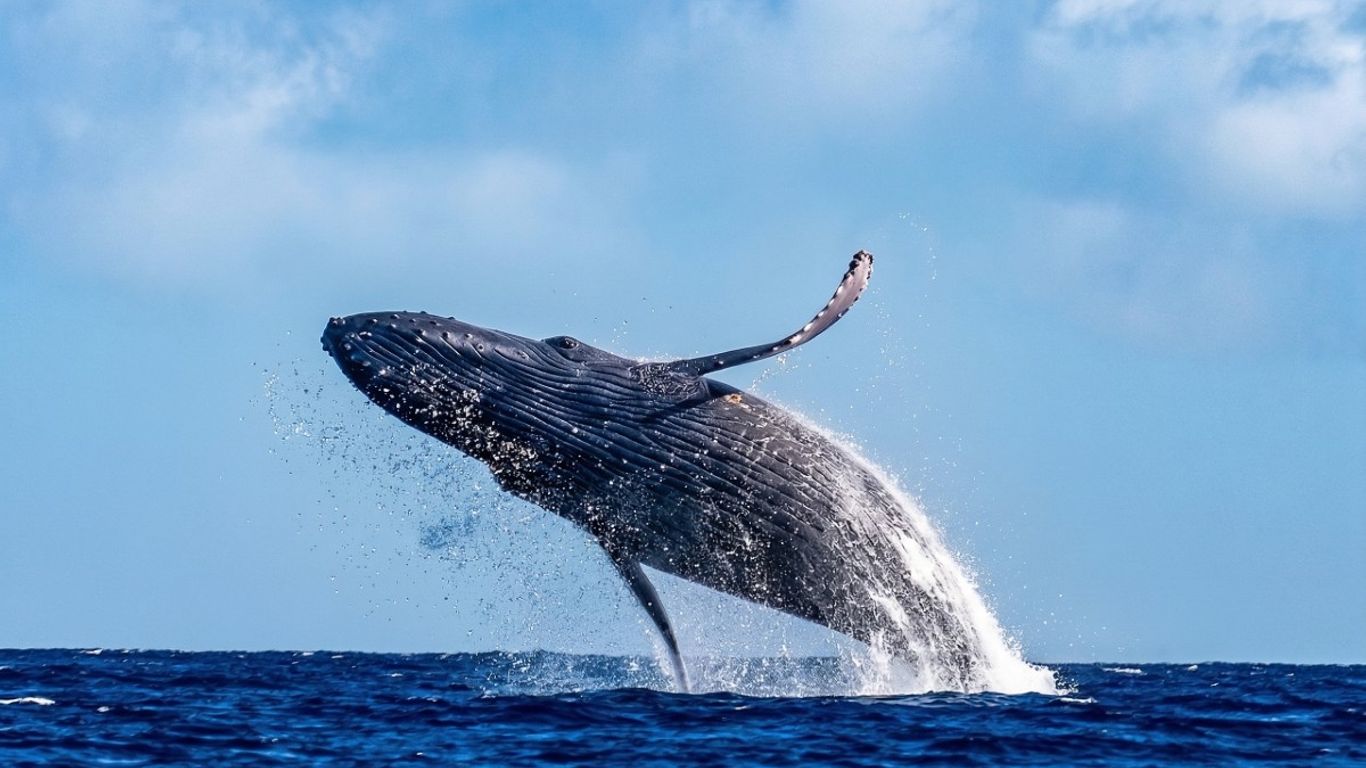
Every year, from about December through April, Maui’s waters become a major hub for North Pacific Humpback Whales. These massive creatures make an incredible journey, traveling thousands of miles from their summer feeding grounds in places like Alaska to the warmer, calmer Hawaiian waters. Why here? Well, it’s all about family. Maui’s relatively shallow, protected channels create a perfect environment for these whales to mate, give birth, and raise their young calves. It’s like a giant, natural nursery, and the Au’au Channel, situated between Maui, Lānaʻi, and Kahoʻolawe, is a prime spot for this activity.
Why Humpbacks Choose Maui’s Waters
Humpback whales aren’t just passing through when they arrive in Maui; they’re here for a specific purpose. The warm, clear, and calm waters offer a safe haven, free from the predators found in colder regions. This makes it an ideal place for mothers to give birth and nurse their newborns, which are born with a thin layer of blubber that needs time to develop in warmer seas. The males are also present, engaging in courtship rituals and vocalizations. Maui’s specific geography and water conditions create a unique sanctuary that draws a significant portion of the North Pacific humpback population.
The Peak Season for Up Close Whale Watching Maui
While you can start spotting whales as early as December, the real action kicks off in January. The absolute peak of whale season typically runs from January through March. During these months, the density of whales in the area is extraordinary, with an estimated 10,000 humpbacks congregating in Hawaiian waters at the height of the season. This means your chances of seeing incredible behaviors like breaching, tail slapping, and spy hopping are incredibly high. By April, the numbers begin to dwindle as the whales start their long journey back north, but late-season visitors can still have amazing encounters.
Here’s a quick look at the season:
- December: The first whales start arriving, with sightings becoming more common as the month progresses.
- January – March: This is the prime time. Expect daily sightings and lots of surface activity. It’s the best bet for a truly spectacular show.
- April: Whale numbers decrease, but there are still plenty of whales around for latecomers. You might catch the last of the mother-calf pairs before they head north.
The Au’au Channel: A Natural Nursery
The Au’au Channel is the star of the show when it comes to Maui’s whale season. This body of water, nestled between Maui, Lānaʻi, and Kahoʻolawe, is relatively shallow and protected, making it a perfect spot for calving and nursing. The calm conditions are easier on the newborn calves, and the warmer temperatures help them build up their strength. It’s a bustling hub of activity, with mothers teaching their young, males competing, and the general social dynamics of a large whale population playing out.
The sheer concentration of whales in this specific channel is what makes Maui’s whale watching experience so special. It’s not just a migratory route; it’s a destination where life begins and is nurtured for the next generation of these magnificent marine mammals.
Experiencing Humpback Whales From the Water
Choosing Your Whale Watching Vessel
When you decide to get out on the water to see Maui’s humpback whales, you’ve got a couple of main choices for a boat. Each has its own vibe, you know? There are the bigger boats, often catamarans, which are pretty stable and offer protection from the sun and wind. They usually have restrooms and sometimes even snacks, which is nice. Plus, you can walk around a bit. On the flip side, you’ll be sharing the experience with a lot more people, maybe 75 to 150 folks. Then you have the smaller rafts or speedboats. These get you much closer to the water, making it feel way more intimate. You really feel the ocean spray and hear everything. The downside? They can be bumpy, especially if the water’s choppy, and they’re not the best if you have back issues. Also, forget about bathrooms or shade on most of these. It really comes down to what kind of experience you’re after – a more comfortable, social outing or a wilder, up-close-and-personal adventure.
What to Expect on a Boat Tour
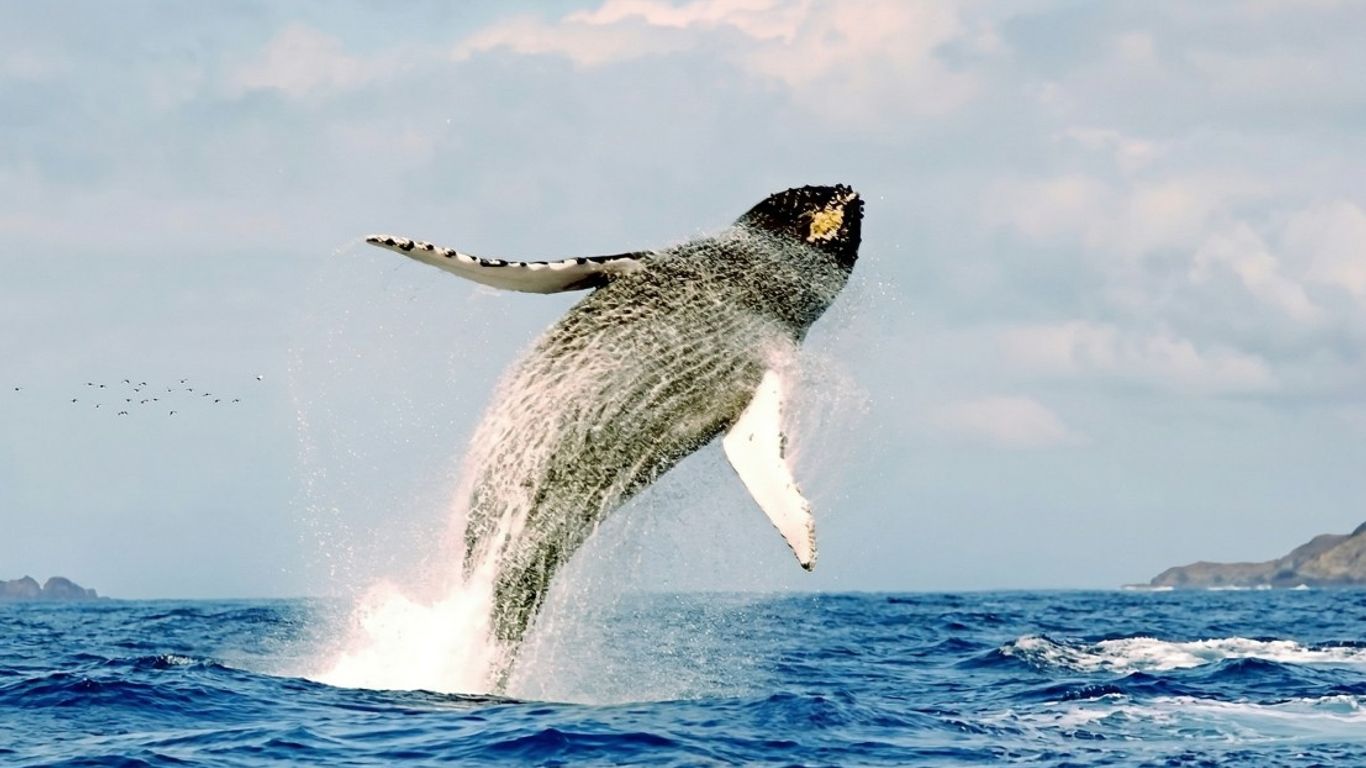
So, you’ve picked your boat and you’re heading out. What’s the actual experience like? Well, expect to be out on the water for a couple of hours, usually. The captains and crews are usually pretty knowledgeable, and often there’s a naturalist on board who can tell you all sorts of cool facts about the whales. They’ll be scanning the water, and when they spot something, the boat will often cut its engine so you can watch quietly. You might see a whale take a big breath and blow a spout of water – it’s like a misty cloud! Sometimes, they’ll swim right up close to the boat, which is called ‘mugging,’ and it’s pretty wild to see these giants just checking you out. The most thrilling moments are when they breach, launching their massive bodies out of the water, or when they slap their tails or fins, sending spray everywhere. It’s a lot of waiting and watching, punctuated by these incredible, sudden bursts of activity.
The Intimacy of Kayak Whale Watching Maui
If you’re looking for an even more personal encounter, kayaking is where it’s at. Paddling out on a kayak puts you right on the water’s surface, making you feel like you’re truly part of their world. You’re not separated by a big hull; it’s just you, your paddle, and these enormous, graceful creatures. You can hear the sounds of the ocean and the whales more clearly, and when a whale breaches nearby, the splash can actually reach your kayak! It’s a much more physical and sensory experience. You’ll need to be a bit more aware of your surroundings and the ocean conditions, of course, but the feeling of being so close, so connected to these magnificent animals in their natural habitat? It’s something else entirely. It’s a quiet, powerful way to witness their lives unfold.
Spectacular Whale Behaviors to Witness
Seeing a humpback whale is one thing, but watching them do things is another level of amazing. Maui’s waters are like a stage for these gentle giants, and if you’re lucky, you’ll catch some of their most incredible performances. It’s not just about spotting them; it’s about witnessing their personalities and their wild, beautiful lives unfold.
The Majestic Breach
Imagine this: a massive humpback whale, weighing as much as 40 tons, suddenly launches itself out of the water. That’s a breach, and it’s absolutely breathtaking. It’s a display of raw power and grace that leaves you speechless. Why do they do it? Scientists think it might be for communication, maybe just for fun, or even to get rid of pesky barnacles. Whatever the reason, the sight of that huge body suspended in the air before crashing back down with a huge splash is something you won’t forget. It feels so much more intense when you’re on a boat, feeling the spray and the rumble.
Spy Hopping and Tail Slaps
Beyond the big jumps, there are other fascinating behaviors. Spy hopping is when a whale lifts its head straight up out of the water, like it’s trying to get a better look at what’s going on above the surface. It’s pretty comical and curious, isn’t it? Then there are tail slaps and fin slaps. You’ll hear a loud thwack across the water as they hit the surface with their tails or pectoral fins. These actions can be warnings to other whales, a way to show off, or just part of their playful interactions. You can often see the spray from these slaps quite clearly, and the sound travels surprisingly far.
Mother and Calf Interactions
One of the most heartwarming sights during whale season is seeing a mother humpback with her calf. These pairs often hang out in the shallower, warmer waters around Maui. You might see the mother gently guiding her baby, teaching it how to swim properly, how to surface for air, and sometimes, even practicing those impressive breaches. Watching a calf mimic its mother’s movements is incredibly sweet and a rare glimpse into their nurturing world. It’s a quiet, intimate moment that really connects you to the cycle of life happening right before your eyes. You can find out more about whale behaviors in Hawaii and what to expect on your trip.
Maui’s waters are a vital nursery and feeding ground for these magnificent creatures. Observing their natural behaviors, from the playful to the protective, offers a profound connection to the ocean and its inhabitants. It’s a reminder of the wild beauty that exists just off our shores.
Planning Your Up Close Whale Watching Maui Adventure
Best Locations for Whale Sightings
Maui is a prime spot for whale watching, and knowing where to go can make all the difference. The Au’au Channel, nestled between Maui, Lānaʻi, and Kahoʻolawe, is a real hotspot. It’s shallow and protected, making it a favorite nursery for mother whales and their calves. You’ll find many tours depart from harbors like Ma’alaea and Lahaina, putting you right in the thick of it. For those looking for a calmer experience, Makena Bay in South Maui is often a good bet, with clear, gentle waters that are great for spotting mother and calf pairs. Olowalu Reef is another area known for its rich marine life, attracting not just whales but also sea turtles.
Tour Lengths and Timing
When you’re planning your whale watching trip, think about how much time you want to spend on the water. Most boat tours typically run for about 2 to 3 hours. Some shorter trips might focus just on whale watching, while longer ones could include snorkeling stops. Kayak tours are often a bit shorter, usually around 1.5 to 2 hours, offering a more intimate experience. It’s a good idea to book in advance, especially during the peak season from late December to mid-April, because these tours fill up fast. Morning tours are often recommended as the water tends to be calmer, and the whales seem to be more active then.
Booking Your Whale Watching Trip
Ready to book your adventure? You’ve got options! You can go for a larger catamaran, which offers stability and space, or a smaller raft or boat for a more up-close-to-the-water feel. Many reputable companies operate out of harbors like Ma’alaea and Lahaina. Look for tours that have certified guides who know a lot about the whales and the local environment. Booking a tour with an eco-friendly operator is a great way to ensure you’re watching responsibly. Remember to check cancellation policies, especially if your travel plans are a bit flexible. It’s all about finding the right fit for your style of adventure and making sure you have an unforgettable time observing these magnificent creatures in their natural habitat. You can find many great options for whale watching tours on sites like Expedia or Viator.
When you’re on the water, remember the 100-yard rule. It’s there to keep both you and the whales safe. Let the whales approach you if they want to; never chase them. This respect for their space is key to a positive experience for everyone involved.
Responsible Whale Watching Practices
Seeing these magnificent humpback whales up close is an incredible experience, but it’s super important we do it right. We want to make sure these gentle giants are protected so they keep coming back to Maui’s warm waters year after year. It’s all about respecting their space and their home.
Respecting Safe Distances
There are rules in place to keep both you and the whales safe. The most important rule is to maintain a minimum distance of 100 yards from the whales. This applies whether you’re on a boat or in a kayak. It might seem far, but trust me, from that distance, you can still see so much! It gives them the room they need to do their thing without feeling bothered. Remember, they’re wild animals, and we’re just visitors in their world.
Here’s a quick rundown of what to keep in mind:
- 100-Yard Rule: Always keep at least 100 yards away. No exceptions.
- No Chasing: Never try to follow or herd the whales. Let them approach you if they want to.
- Quiet Observation: Avoid making loud noises that could startle them.
- Limit Time: Don’t linger too long in one spot, especially if there are multiple boats or kayaks around.
It’s easy to get caught up in the excitement of seeing a whale breach right in front of you. But remember, these animals are here to rest, breed, and care for their young. Our goal is to observe them without disrupting these vital activities. Think of it as being a respectful guest at their ocean party.
Choosing Eco-Friendly Tours
When you book a tour, look for operators who are serious about conservation. Many companies here in Maui are committed to protecting the marine environment. They often have naturalists on board who can share insights about whale behavior and conservation efforts. Choosing an eco-friendly tour means you’re supporting businesses that prioritize the well-being of the whales and the ocean. It’s a win-win!
Some things to look for:
- Eco-Certifications: Many organizations offer certifications for responsible marine tourism.
- Educational Focus: Tours that educate passengers about marine life and conservation.
- Small Group Sizes: Often, smaller groups have less impact on the environment.
- Low-Impact Vessels: Kayaks and smaller boats generally have a smaller footprint than large ships.
Understanding Regulations
There are official guidelines, like those from NOAA, that govern whale watching. These aren’t just suggestions; they’re laws designed to protect marine mammals. Familiarizing yourself with these regulations, even just the basics like the distance rule, helps ensure everyone is on the same page. Responsible tour operators will always brief you on these rules before you head out. You can find more information on responsible whale watching guidelines online.
Don’t Just Dream It, See It!
So, there you have it. Maui during whale season is pretty special, right? Whether you’re out on a boat feeling the spray or just chilling on the beach with binoculars, seeing these giants is something else. It’s a reminder of how amazing nature is and why we should all do our part to keep it that way. If you’ve been thinking about a trip, now’s the time. Just remember to book ahead, especially if you’re going during the peak months. You won’t regret it.
Frequently Asked Questions
When is the best time to see humpback whales in Maui?
The best time to see humpback whales in Maui is from December to April. The peak months are January, February, and March, when the most whales are in the area and the chances of seeing them are highest.
What is the Au’au Channel and why is it important for whales?
The Au’au Channel is a shallow stretch of ocean between Maui, Lāna‘i, and Kaho‘olawe. It is important because it is calm, warm, and safe, making it a perfect place for humpback whales to have their babies and raise them.
How close can boats and kayaks get to the whales?
Boats and kayaks must keep a safe distance of at least 100 yards from the whales. This rule helps protect both the whales and people. Sometimes whales come closer on their own, but tour guides make sure everyone stays safe.
What types of whale behaviors might I see on a tour?
On a whale watching tour, you might see whales jumping out of the water (breaching), slapping their tails or fins on the surface, poking their heads out to look around (spy hopping), and mothers swimming with their calves. If you’re lucky, you might even hear whale songs underwater.
Should I choose a big boat, a raft, or a kayak for whale watching?
Each option has its benefits. Big boats are stable, have bathrooms, and are good for families. Rafts and kayaks let you get closer to the water and feel more connected to nature, but they have less space and comfort. Choose the one that fits your group and what you want to experience.
How can I make sure my whale watching tour is eco-friendly?
Look for tours that follow the rules for safe distances, use boats that don’t harm the ocean, and have guides who teach about protecting whales. Kayak tours are usually the most gentle on the environment because they don’t use engines or make a lot of noise.

