
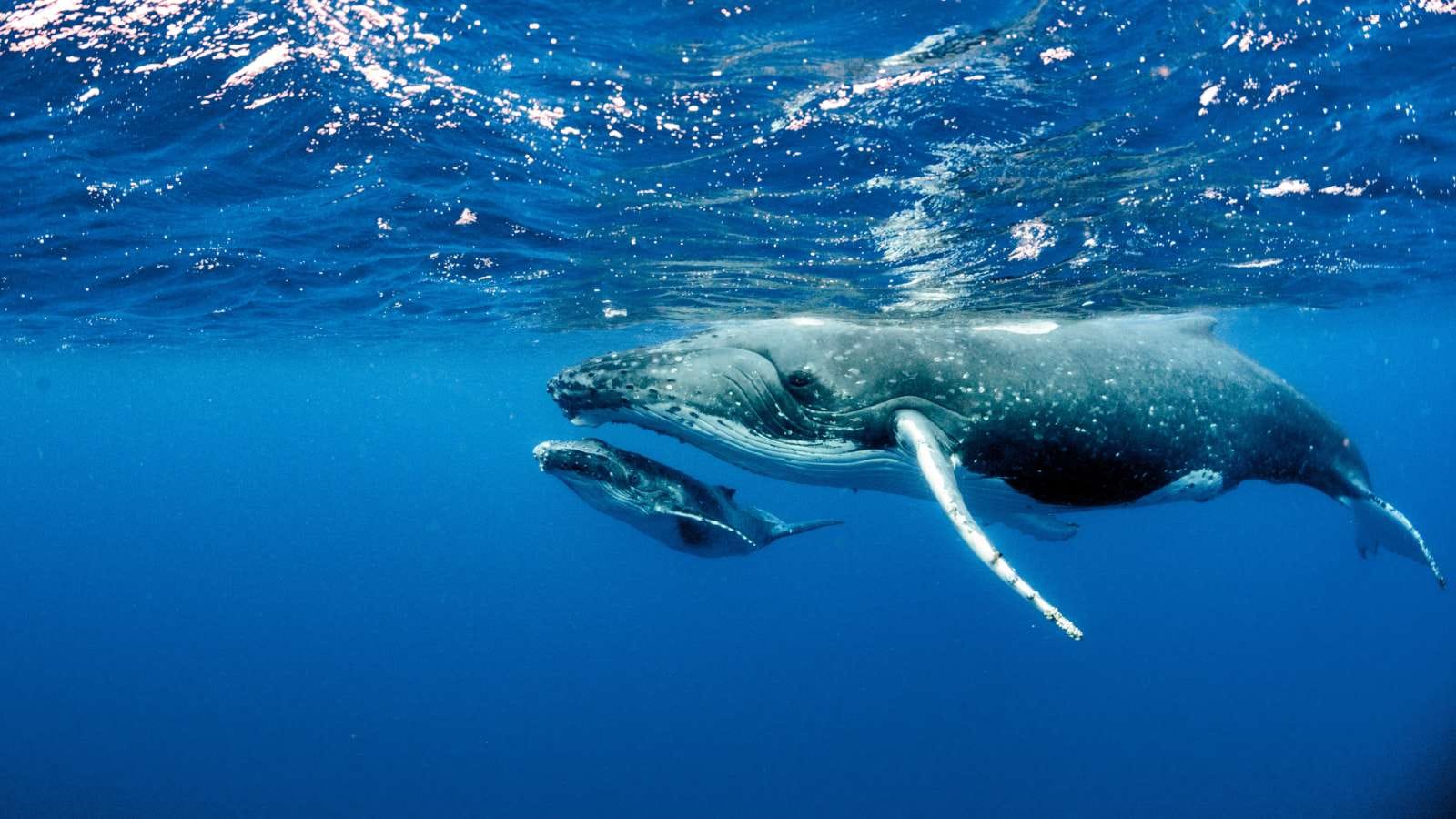
The beauty and majesty of humpback whales draw people from all over the world to Maui every year. Whale watching is an incredible experience, but it’s essential to ensure that we do not harm the marine life we’re observing.
The following is a guide to enjoying whale watching responsibly and minimizing the impact on these incredible creatures and their environment.
Follow the Rules and Regulations
The National Oceanic and Atmospheric Administration (NOAA) sets strict guidelines for whale watching to ensure the safety of both whales and people.
Follow these guidelines, including the recommended distance of at least 100 yards between your boat and the whales, to minimize your impact on these majestic creatures.
In addition, be aware of any other rules or regulations set by the tour operator or local authorities.
Choose a Responsible Tour Operator
When choosing a whale watching tour, do your research and select a reputable and responsible operator that follows the regulations and guidelines set forth by NOAA.
Ensure that the tour company is licensed and experienced in whale watching, with knowledgeable guides who can help you appreciate these magnificent creatures without disturbing their natural habitat. Look for a tour operator that supports marine conservation efforts.
Keep Noise to a Minimum
Whales communicate using sound, so excessive noise can be incredibly disruptive to their behavior and interactions. Avoid loud music, shouting, and excessive movement while on your whale watching tour.
Turn off your engines and keep your boat’s noise level to a minimum to avoid disturbing the whales.
Don’t Chase the Whales
Whales are wild animals and should not be chased or followed. Stay at a safe distance and allow the whales to approach you if they choose to do so.
Do not maneuver your boat in an attempt to get closer to the whales or block their path. Always give them plenty of space and respect their natural behavior.
Avoid Crowded Areas
If possible, try to avoid crowded whale watching areas. Crowded areas can cause stress to the whales, and it’s also more difficult for boats to maneuver safely around one another.
Consider alternative areas or times to view the whales, such as early in the morning or later in the day.
Reduce Your Waste
Minimizing your waste can also have a positive impact on the environment.
Bring reusable water bottles and food containers, and avoid single-use plastics.
Ensure that you dispose of all waste correctly and recycle when possible.
Learn About Marine Life and Conservation Efforts
Take the time to learn about humpback whales and their habitat, as well as conservation efforts to protect them.
Education is a crucial tool in promoting responsible whale watching and can help us appreciate these creatures’ beauty and importance to our planet.
Conclusion
In conclusion, whale watching can be a memorable and rewarding experience, but it’s crucial to ensure that we’re not harming the whales or their habitat.
Follow the guidelines and regulations set forth by NOAA, choose a responsible tour operator, keep noise to a minimum, avoid chasing the whales, avoid crowded areas, reduce your waste, and take the time to learn about marine life and conservation efforts.
By following these guidelines, we can appreciate the beauty of humpback whales while minimizing our impact on their environment.
Regenerate response